Household rubbish pickup in Catford Bridge area
Posted on 08/08/2026
Household rubbish pickup in Catford Bridge area: a practical local guide
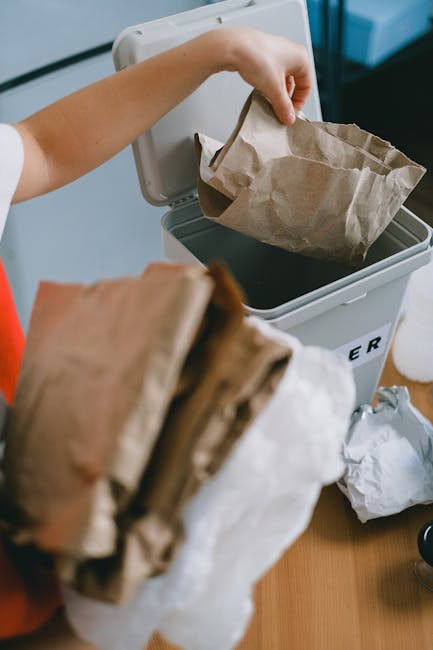
If you live near Catford Bridge, you already know how quickly household waste can pile up. A broken chair in the hallway, a few black bags after a clear-out, old toys under the stairs, and suddenly the flat or house feels tighter than it should. Household rubbish pickup in Catford Bridge area is really about getting that clutter out of the way quickly, safely, and without turning a simple tidy-up into a stressful weekend project. This guide walks you through how the process works, what to expect, and how to choose the right approach for your home.
Whether you are clearing out before guests arrive, dealing with post-renovation mess, or just tired of looking at that "I'll sort it later" pile, the aim is the same: make the job easier and avoid common mistakes. Let's face it, rubbish has a funny way of growing when nobody is looking.
Why Household rubbish pickup in Catford Bridge area Matters
Household rubbish removal is one of those services people only think about when the situation becomes awkward. Yet in a busy local area like Catford Bridge, it can make a real difference to day-to-day living. Homes here vary from compact flats to family houses, and that means waste builds up in different ways. A small property can feel cluttered very quickly. A larger home might hide rubbish in sheds, lofts, or spare rooms for months before anyone notices how much there is.
There is also the practical side. Bags left too long can attract smells, leaks, or pests. Bulky items can block access routes and create trip hazards. If you are trying to move house, rent out a property, or simply get back on top of things, timely pickup is less of a luxury and more of a reset button. You will notice the difference the moment the space is clear. Light comes back into the room. It sounds simple, but it matters.
For local residents, good rubbish pickup is also about avoiding unnecessary stress around transport, parking, and heavy lifting. Not everyone has a car big enough for a mattress, a wardrobe, or a pile of renovation offcuts. And not everyone wants to spend a Saturday loading bins on a wet pavement. Fair enough, really.
Key takeaway: In the Catford Bridge area, household rubbish pickup is most valuable when it saves time, reduces clutter, and helps you clear items responsibly without turning a routine job into a bigger problem.
How Household rubbish pickup in Catford Bridge area Works
In plain English, household rubbish pickup is the collection and removal of non-hazardous domestic waste from your property. That can include bagged rubbish, broken furniture, general clutter, old kitchen items, unwanted household goods, and mixed loads from a clear-out. The exact scope depends on the service you use, but the process is usually straightforward.
Most collections follow a similar rhythm:
- You identify what needs removing and separate items if needed.
- You check which items can be taken and which need special handling.
- You arrange a pickup time that fits your schedule.
- The team arrives, assesses the load, and removes the waste.
- The rubbish is transported for sorting, reuse, recycling, or disposal.
That said, the details matter. A good pickup is not just "take the bags away". It should also be tidy, transparent, and careful around your home. For example, stairs, narrow hallways, and shared entrances need a bit of planning. In a real local setting, you might be dealing with limited parking or a front door that opens straight onto the pavement. That is normal. The job should still be handled neatly.
If you want to understand how household pickup sits within a broader local waste service, the services overview gives a helpful sense of the wider options. And if you are weighing up a one-off uplift against other clearance needs, the team's pricing and quotes page is the kind of place people usually check first.
Key Benefits and Practical Advantages
The obvious benefit is that rubbish disappears. Useful, right? But the real value goes further than that.
1. Faster results than self-haul
When you try to move mixed household waste yourself, you usually discover the hidden costs: time, fuel, effort, disposal rules, and the awkward "where do I put this?" moment. A proper pickup removes most of that friction. If your week is already full, that matters.
2. Less physical strain
Heavy bin bags, awkward furniture, and bulky odds and ends can be difficult to move safely. That is especially true in older houses or upper-floor flats. A pickup service reduces the risk of back strain and accidental damage. It is one of those things you appreciate most after the fact.
3. Better household organisation
Clearing rubbish often reveals what you actually need. People usually start with the assumption that they are "just getting rid of a few bits", then discover half a cupboard's worth of obsolete items. Once it is gone, it becomes easier to sort storage, tidy rooms, and plan the next step.
4. More responsible waste handling
Household rubbish does not all belong in the same bag forever. Some materials can be recycled, some should be separated, and certain items need special care. Working with a service that understands sorting and disposal best practice can make the process much more responsible. If sustainability matters to you, have a look at recycling and sustainability for a broader view of how waste can be handled with less landfill pressure.
5. A better fit for busy local life
Catford Bridge is not a place where everyone has hours to spare. Between work, family, commuting, school runs, and the usual life admin, an efficient pickup can feel like a rare bit of calm. That small calm is worth something.
Who This Is For and When It Makes Sense
Household rubbish pickup is useful for more people than you might think. It is not only for dramatic clear-outs or major moves.
- Busy households: If waste keeps building up because nobody has time for a proper sort.
- Renters between tenancies: When you need to leave a place clean and ready, without hanging around for days with unwanted bits.
- Homeowners preparing to sell: Decluttering can improve the feel of a property straight away.
- Families after a seasonal clear-out: Toys, packaging, broken household items, and old textiles tend to appear all at once.
- People handling a bereavement or downsizing: These moments can be emotionally heavy. A straightforward pickup helps make one part of the process less difficult.
- Anyone with awkward bulky waste: Mattresses, broken shelving, and damaged furniture are common examples.
There are also times when a pickup is the smarter option than waiting for the problem to become larger. If you are clearing a flat near transport links or trying to keep communal areas neat, early action prevents a lot of hassle. The same goes for property investors and landlords in the area, who often need quick turnaround between occupancies. If that is your world, the local insight in navigating Catford property market may also be useful context.
Sometimes the need is seasonal. Sometimes it is triggered by a life change. And sometimes it is simply because the cupboard under the stairs has won the battle. Happens to the best of us.
Step-by-Step Guidance
If you want the whole thing to go smoothly, a simple process helps.
Step 1: Walk through the property
Start with a room-by-room scan. Be honest. What is rubbish, what could be donated, and what should stay? This part is easier if you tackle one area at a time. The kitchen, hallway, loft, and garden often produce the most hidden clutter.
Step 2: Separate items by type
Group waste into rough categories:
- bagged household rubbish
- bulky furniture
- electrical items
- mixed clutter
- recyclable materials
- anything that may need special handling
This makes the pickup more efficient and can help you avoid surprises on the day.
Step 3: Measure awkward items
If you have a sofa, wardrobe, or other oversized item, a quick measurement can save a headache later. You do not need to overthink it. Just make sure the item can fit through hallways, stairwells, and doorways during removal.
Step 4: Think about access
Can a vehicle stop nearby? Is there a tight stairwell? Do you need to warn neighbours if a communal entrance will be used? Small details like this make a big difference. A ten-minute access issue can turn into a forty-minute delay if nobody has planned for it.
Step 5: Get clarity on what is included
Before collection, ask what happens with different waste types, what the charges cover, and whether labour, loading, or disposal is included. Transparency matters. Nobody likes vague pricing, especially when they are already clearing out a cluttered room.
Step 6: Prepare the items for easy loading
Place bags together, keep loose objects contained, and move items away from fragile furniture where possible. This is not about doing the crew's job for them. It is about saving time and keeping your home tidy during the process.
Step 7: Do a final sweep
Once the pickup is done, walk through the space again. Check corners, behind doors, and under tables. It is surprising how often one forgotten bag turns up in the last minute.
Expert Tips for Better Results
A few small habits can make household rubbish pickup noticeably smoother.
- Sort first, move second. Clearing things in a rush usually leads to mixed loads and more confusion.
- Keep recyclables separate where practical. It makes sorting easier and supports better waste outcomes.
- Photograph bulky items in advance. Handy if you want to explain access issues or confirm what needs removing.
- Clear a path. A safe walkway matters more than people realise, especially in narrow homes.
- Avoid overfilling bags. Heavy bags split at the worst possible moment. Usually on the stairs. Of course.
- Book with a little breathing room. If you know your clear-out may expand, do not schedule it so tightly that one extra item causes stress.
Here is one thing people often overlook: the psychological benefit of a clean start. Once the rubbish leaves, decisions become easier. You can see the room properly again. That alone can be enough to break a procrastination cycle.
If your home project is tied to a larger clear-out, it may also help to look at house clearance in Catford or, for mixed loads that include old seating or tables, furniture disposal support. Sometimes the job is not just rubbish removal; it is a bit of everything at once.
Common Mistakes to Avoid
Even simple pickups can go wrong if people rush the prep. These are the mistakes that tend to cause unnecessary friction.
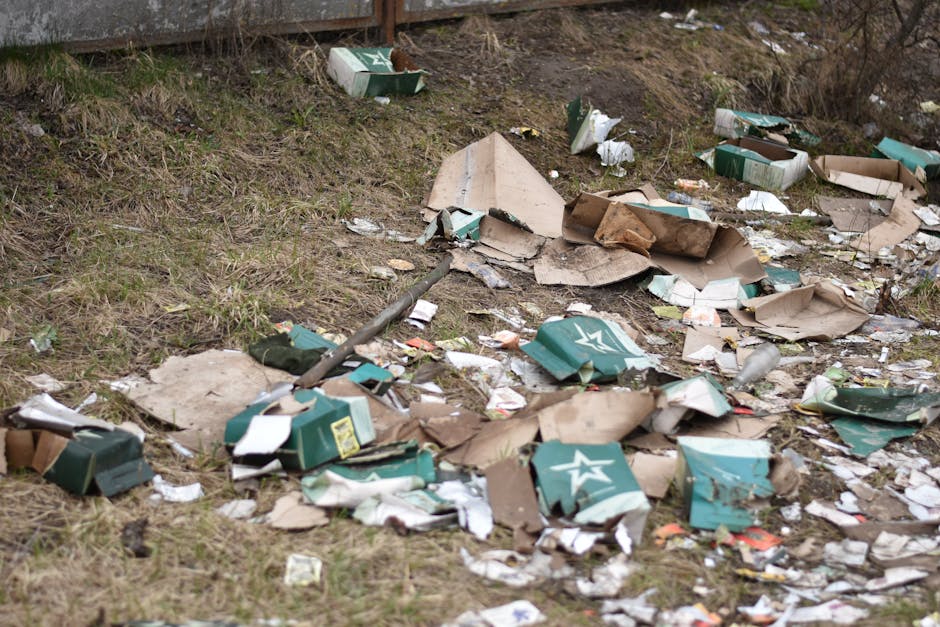
Leaving everything in one pile
A single giant heap looks efficient, but it often creates delays. Separate sharp items, small loose waste, and bulky pieces. It makes the job more manageable and safer.
Forgetting access issues
If the vehicle cannot stop close enough, the whole process slows down. Think about parking, entry codes, stairwells, and shared corridors before collection day.
Mixing prohibited or special items into the load
Some things need separate handling. If you are unsure about specific items, ask before they are picked up. Do not assume everything can be treated the same way.
Ignoring the weight of bags
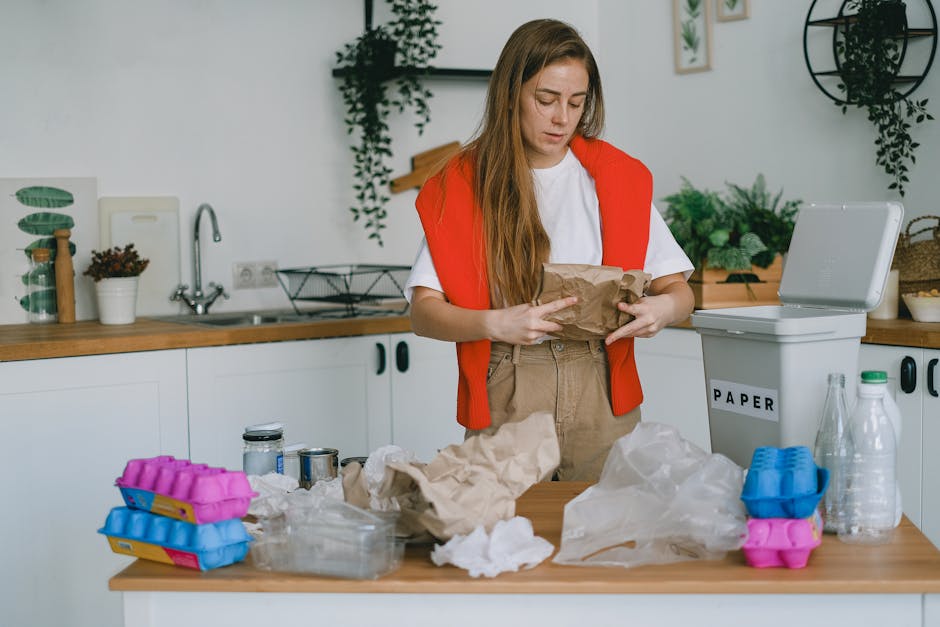
A few overstuffed bags can undo a neat plan. They are awkward to carry and more likely to split. Better to use an extra bag than to risk a mess in the hallway.
Not checking what you actually want gone
This sounds obvious, but it happens all the time. One person's "keep" pile becomes another person's "why is this here?" pile. If you are sharing a home, make sure everyone agrees before the pickup.
Waiting until the last minute
Clear-outs have a habit of taking longer than expected. If you are moving, hosting, or finishing work on the property, give yourself some slack.
One more small thing: don't hide rubbish in random corners and forget about it. That is how the next clear-out becomes a scavenger hunt.
Tools, Resources and Recommendations
You do not need a van-load of kit to prepare for a household pickup, but a few basic things help.
- Sturdy bin bags: Use bags that can handle the weight without tearing.
- Labels or marker pens: Useful for marking keep, donate, recycle, and remove piles.
- Gloves: Simple hand protection goes a long way when dealing with dusty or awkward items.
- Cleaning cloths and a broom: Handy after the rubbish has gone, especially in storage spaces and hallways.
- Phone camera: Good for recording what needs picking up or checking room sizes.
If you want to keep the bigger picture in mind, a few site pages are worth a look. About us gives a sense of the company background and approach. insurance and safety is useful if you want reassurance about care on-site. And if you are comparing payment options, payment and security covers the practical side of booking and paying with confidence.
For local context, Catford-specific reading can also help if you are planning a broader tidy-up. A few area-focused posts, such as rubbish collection in SE6 near Catford Station and best rubbish removal on Rushey Green and Mountsfield Park, may be useful if your pickup is tied to a busier local schedule.
Law, Compliance, Standards, or Best Practice
Waste handling in the UK needs to be approached carefully. You do not need to become a legal expert to arrange a household pickup, but it helps to know the basics.
At a practical level, waste should be collected, transported, and disposed of responsibly. That means items should be handled by people who understand sorting, loading, and safe transport. It also means you should be cautious about who you hand waste to. If a service cannot explain where waste goes, how it is managed, or how different items are separated, that is a red flag.
For householders, the simplest best practice is this:
- use a reputable operator
- avoid leaving waste with anyone who seems vague or evasive
- separate items where you can
- be honest about the type and amount of rubbish
- keep records or confirmations for your own peace of mind
If the pickup includes mixed materials, damaged furniture, or items from a clearance, it is worth asking what the service does with reusable or recyclable materials. Good practice usually involves reducing avoidable waste where possible. The same applies to larger domestic clearances, especially where there is a lot of furniture or garden debris.
And if a load looks more complicated than you first thought, pause and ask rather than guessing. That tiny pause can save a bigger headache later. Truth be told, it usually does.
Options, Methods, or Comparison Table
There is more than one way to deal with household rubbish in Catford Bridge area. The best choice depends on the amount, type, urgency, and how much lifting you want to do yourself.
| Option | Best for | Pros | Watch-outs |
|---|---|---|---|
| Self-haul to disposal point | Small loads and flexible schedules | Can work for light, simple waste | Time-consuming, physically demanding, transport required |
| Scheduled council-style bin disposal | Routine household waste | Good for normal day-to-day rubbish | Not suitable for bulky items or sudden clear-outs |
| Professional household rubbish pickup | Mixed loads, bulky waste, urgent jobs | Convenient, faster, less lifting | Needs clear communication on load type and access |
| Full house clearance | Large-scale decluttering, moves, or bereavement situations | Comprehensive and efficient | May be more than you need for a small job |
In many cases, household rubbish pickup sits in the sweet spot: more convenient than DIY, but less involved than a full property clearance. If you are unsure which direction to take, the broader waste collection in Catford page can help you place your needs more clearly.
Case Study or Real-World Example
Picture a typical Saturday in a Catford Bridge flat. The residents have been meaning to sort the spare room for months. It starts with one broken bedside table. Then two bags of old clothes. Then a printer that no longer works, a folded pushchair, and a stack of flat-pack packaging from a long-forgotten furniture delivery. By the time they finish, the room looks less like storage and more like a place they might actually want to use again.
They begin by separating obvious recycling from mixed rubbish. One person checks the hallway so the exit stays clear. Another measures the bulky items quickly and stacks the lighter bags near the door. That tiny bit of prep saves time later. When the pickup happens, everything moves out in one clean sweep instead of several awkward trips.
Afterward, the room feels different. Not just empty, but usable. There is space to unpack boxes properly, and the smell of old cardboard is gone. That might sound small. It is not. It changes how the home feels.
That kind of result is exactly why local rubbish pickup matters. It is rarely about the rubbish alone. It is about what the cleared space allows next.
Practical Checklist
Use this simple checklist before your pickup.
- Walk through every room and identify what is going
- Separate rubbish, bulky items, and recyclables where possible
- Check for anything that needs special handling
- Measure large items and note access issues
- Clear walkways, doors, and stairwells
- Confirm the collection time and any arrival instructions
- Keep valuables, documents, and items to be retained elsewhere
- Place waste in a tidy, accessible location
- Do a final check after the removal
- Clean the space lightly so the result lasts longer
If your job includes outdoor waste too, you may also find garden waste removal in Catford useful for branches, soil bags, and seasonal cuttings that do not belong with general household rubbish.
Conclusion
Household rubbish pickup in Catford Bridge area is one of those practical services that quietly improves daily life. It removes clutter, saves time, reduces lifting, and helps you keep control of the home rather than letting waste take over a corner here and there. Done well, it is simple, tidy, and reassuring.
The main thing is to plan the load honestly, think about access, and choose a method that fits the scale of the job. Small clear-outs, bulky furniture, mixed household waste, and bigger decluttering projects all benefit from a calm, organised approach. You do not need to make it complicated. You just need it done properly.
And once the rubbish is gone, the space tends to speak for itself. A little lighter. A little calmer. That is usually the part people remember most.
Get a free quote today and see how much you can save.
 Tipper Van - Waste Collection and Commercial Waste Removal Prices in Catford, SE6
 Luton Van - Waste Collection and Commercial Waste Removal Prices in Catford, SE6


