Rubbish collection in SE6 near Catford Station
Posted on 20/06/2026
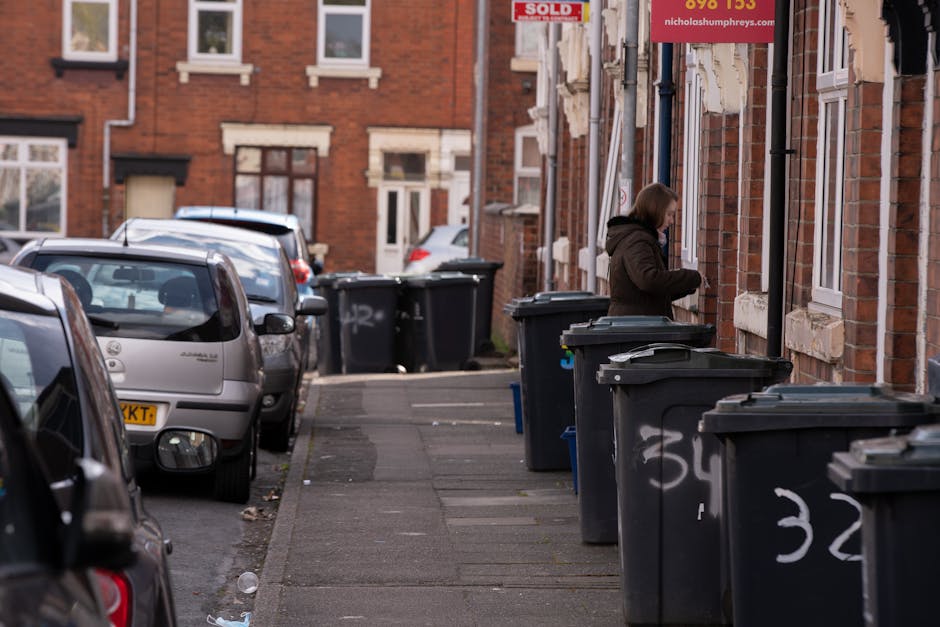
Rubbish collection in SE6 near Catford Station: a practical local guide
If you are looking for Rubbish collection in SE6 near Catford Station, you are probably trying to solve a very ordinary but annoying problem: waste has built up, space is tight, and you want it gone without turning your day upside down. Maybe it is a flat clearance after a move, a pile of old furniture that has become part of the room decor, or just the sort of mixed household rubbish that seems to multiply when you are not looking. Either way, the basics matter. You want a service that is quick, careful, and straightforward.
Near Catford Station, that usually means balancing access, timing, parking, and the type of waste involved. It also means choosing the right method for the job, because a sack of bagged rubbish, a broken wardrobe, and a load of builders' debris all behave very differently. This guide explains how rubbish collection works in SE6, what to expect, how to prepare, and how to avoid the common mistakes that slow everything down. Nothing fancy. Just useful, local advice that helps you make a clean decision.
Why rubbish collection near Catford Station matters
Catford Station is a busy local pinch point, and that matters more than people sometimes expect. Streets around transport hubs tend to be active, with limited kerb space, frequent foot traffic, and the usual London challenge of loading carefully without causing a fuss. If waste is left waiting around, it can get in the way fast. You notice it on a rainy morning: bags split, cardboard softens, and the whole thing becomes less manageable by the hour.
For homes, landlords, shop units, and small offices in SE6, rubbish collection is not just about tidying up. It supports safety, keeps shared spaces usable, and helps avoid unwanted attention from neighbours or passers-by. It also makes sense financially. A small, well-planned collection is usually easier than a bigger, more chaotic one where waste has been left to build up. Let's face it, nobody enjoys paying for avoidable extra work.
There is also a wider local reality. SE6 includes a mix of flats, terraces, commercial premises, and shared buildings, so waste often needs a more flexible approach than a simple council bin uplift. If your rubbish is bulky, awkward, mixed, or time-sensitive, a specialist collection can be the more practical route. And if you are managing a move or refurbishment, waste becomes one more moving part you really do not want hanging around.
For readers who want a broader picture of the area and how local life shapes everyday services, the Catford community perspective and the site's services overview are useful starting points.
How rubbish collection in SE6 near Catford Station works
At a practical level, rubbish collection usually starts with identifying what you have, where it is, and how quickly it needs to go. That sounds obvious, but it is where many jobs become messy. A good collection service will want to know whether the waste is bagged, loose, bulky, recyclable, or made up of special items like old appliances, broken furniture, or builders' waste. The more accurate your description, the smoother the collection.
In a local setting near Catford Station, access is often the next key factor. Can a vehicle stop nearby? Is the rubbish in a rear garden, a basement, an upper floor, or a narrow hallway? Is there a lift? Are there stairs, shared entrances, or a time window when loading is easiest? These small details affect the time needed and the method used. Truth be told, access can make a simple job feel complicated very quickly.
There is also the sorting side. In mixed household clear-outs, waste is often separated into general rubbish, reusable items, recyclable materials, and anything that needs special handling. That matters because responsible collection is not just about taking things away. It is about sending the right material to the right place, and not dumping everything into one undifferentiated heap. If you care about that side of things, the site's page on recycling and sustainability is worth a look.
For jobs involving larger loads or business premises, collection can include on-site loading, careful removal from indoor spaces, and coordination around opening hours. If you are dealing with office furniture, old desks, printers, or archive clutter, the process is a little different from a one-off bag collection. The same is true for domestic jobs involving sofas, wardrobes, mattresses, or mixed items from a house move.
In many cases, the process follows a simple rhythm:
- Describe the waste clearly.
- Confirm access and timing.
- Agree the scope of the collection.
- Prepare items for removal if needed.
- Have the waste collected and loaded.
- Ensure materials are handled appropriately afterwards.
Key benefits and practical advantages
The biggest benefit is simple: you get space back. In a flat near Catford Station, even a small pile of rubbish can make a room feel cramped and unfinished. Once it is gone, the difference is immediate. The room breathes again. That sounds a bit dramatic, perhaps, but if you have ever had a hallway blocked by old boxes for a week, you know exactly what I mean.
There is also the time factor. Self-loading waste into a car or making repeated trips to a disposal point can swallow half a day, sometimes more. A direct collection saves the effort, especially if the items are heavy or awkward. That matters for landlords, busy households, and office managers who would rather spend time on something useful.
Other practical advantages include:
- Reduced strain: fewer lifting risks and less manual handling.
- Cleaner premises: useful before photos, inspections, sales, or new tenants.
- Better organisation: easier to sort what stays and what goes.
- Local convenience: ideal when access around Catford Station is limited or time-sensitive.
- More responsible disposal: waste can be assessed and handled more carefully.
For some people, the benefit is emotional as well as practical. Clearing rubbish can reset the tone of a place. A cluttered spare room becomes a proper room again. A shop storeroom stops feeling like a no-go zone. It is a small thing until you live with it every day.
If you are comparing broader support options, the page on furniture disposal in Catford can be especially relevant when the job is mostly bulky household items.
Who this is for and when it makes sense
Rubbish collection in SE6 near Catford Station suits a surprisingly wide range of people. It is not only for major clear-outs or renovation projects. In fact, many of the most common jobs are very ordinary.
You might need it if you are:
- moving into or out of a flat near the station
- clearing out a spare room, loft, shed, or storage cupboard
- refreshing a property before letting or sale
- dealing with old furniture, packaging, or mixed household waste
- emptying an office, back room, or stock area
- tidying after small building, repair, or decorating works
- trying to reclaim outdoor space, such as a yard or garden
It also makes sense if the waste is awkward to move. A single broken wardrobe is somehow more annoying than five normal bin bags, because it does not bend to your will. And a mattress? Always larger than it looks before you start. That sort of job is where a collection service becomes less of a luxury and more of a relief.
Commercial users around Catford Station often need flexible timing. If you run a small business, you may prefer rubbish collected before opening, between customer rushes, or on a narrow schedule when staff are available. That is where planning matters more than brute force.
For business-related clearances, the page on office clearance in Catford gives a better sense of the sort of support that can be useful.
Step-by-step guidance
If you want the process to feel easy rather than vaguely chaotic, a bit of preparation goes a long way. Here is a sensible order to follow.
- List the waste by type. Separate bagged rubbish, bulky items, recyclable materials, and anything that may need special handling.
- Check access. Measure doorways, note stairs, and think about where a vehicle can stop safely near Catford Station.
- Estimate the volume. You do not need to be exact, but a rough sense of how much space the waste takes up helps a lot.
- Decide what stays. This sounds obvious, yet it is where mistakes happen. Once a mixed pile is moved, it is surprisingly easy to lose track of a useful item.
- Group similar items together. Bags in one place, furniture in another, cardboard stacked flat if possible. It saves time.
- Flag any awkward items early. Glass, sharp edges, damp waste, or heavy objects need a little more caution.
- Book a collection window that suits access. Mid-morning is often easier than a busy rush hour, especially near transport routes.
- Clear the route. Move shoes, bins, and loose clutter out of the way so the team can work without fuss.
- Ask about sorting and disposal. It is fair to want to know how materials will be handled, especially if recycling matters to you.
A quick real-world tip: if your rubbish is spread across several rooms, take photos before you start moving things around. It helps you keep track of volume, and it can make the job easier to quote accurately. Not glamorous, but useful.
For larger domestic jobs, the page on house clearance in Catford may also help you think through the process.
Expert tips for better results
Small decisions make a big difference. That is the honest truth of waste removal. The job itself may be straightforward, but the preparation often decides whether it feels smooth or slightly chaotic.
Here are a few expert habits worth copying:
- Separate recyclable material early. Clean cardboard, metal, and certain plastics are easier to handle when not buried in mixed waste.
- Keep wet waste away from dry waste. Damp bags are heavier, messier, and more unpleasant to move. Nobody needs that.
- Break down furniture where safely possible. Flat-pack boards, loose legs, and removable drawers can save time and space.
- Leave a walking lane. Even a narrow clear path reduces trip hazards and helps speed things up.
- Be realistic about volume. Most people underestimate how much space their waste takes up. It happens all the time.
- Tell the truth about the awkward bits. If there is a heavy item, damaged glass, or a long carry, say so upfront. That is not over-sharing; it is good planning.
One more thing. If you are clearing a property before new tenants, visitors, or photos, remember that the last 5% of tidying often matters the most. A clean entrance, a clear hallway, and a proper sweep after collection can make the whole place look twice as good.
If the job includes old garden materials, branches, or soil, the page on garden waste removal in Catford may be more relevant than a general clearance page.

Common mistakes to avoid
Most problems are avoidable. That is the good news. The bad news is that people repeat the same few mistakes over and over, usually because they are trying to save time and end up creating more work.
The most common mistakes include:
- Mixing everything together. When waste is piled into one mystery heap, sorting becomes slower and less efficient.
- Underestimating access issues. A job near Catford Station may look easy on paper but be awkward if parking or lift access is tight.
- Leaving it too late. Waste that sits around for days often attracts moisture, smells, or complaints.
- Forgetting special items. Bulky furniture, electrical items, and construction debris need to be mentioned clearly.
- Not checking what should stay. A rushed clear-out can lead to accidental removal of useful items. Annoying, and very avoidable.
- Ignoring safety. Broken glass, nails, sharp metal, and heavy loads are not worth a careless lift.
There is also a softer mistake: assuming all rubbish collection works the same way. It does not. A flat clearance, a business clean-up, and a builders' rubbish load each need different handling. It is worth pausing for that distinction.
Tools, resources and recommendations
You do not need a van full of gear to prepare well, but a few basics help:
- Heavy-duty bin bags for lighter mixed waste
- Gloves for handling rough or dusty items
- Marker pens for labelling what stays and what goes
- Tape or rope for bundling loose materials safely
- Cardboard boxes for sorting small loose items
- A measuring tape if you want a better sense of bulky item size
For more context on the business behind the service, the about us page can help you understand the kind of local, service-led approach that tends to matter most. If you are comparing what is included and what is not, the pricing and quotes page is also useful, especially if you want a clearer idea of how different jobs are assessed.
When evaluating any waste collection option, look for plain-English explanations, clear communication, and a sensible attitude to safety. Fancy branding is nice. Clear answers are better.
If your concern is security, payment handling, or booking confidence, the site's pages on payment and security and insurance and safety are practical references to review.
Law, compliance and best practice
Rubbish collection is not just a logistics issue. In the UK, waste should be handled responsibly, and anyone moving waste professionally should operate with appropriate care and lawful disposal practices. You do not need to memorise regulations to make a sensible choice, but you should expect the basics to be taken seriously.
In plain English, good practice usually means:
- waste is collected, transported, and disposed of responsibly
- items are separated sensibly where practical
- hazardous or problematic materials are treated with extra caution
- workers follow safe lifting and handling methods
- access, loading, and site conditions are considered before work begins
If you are a homeowner, landlord, or business operator, it is wise to keep a simple record of what was removed, especially for larger jobs. That can be helpful for handovers, property management, or general peace of mind. Nothing dramatic. Just good housekeeping.
There is also a fair expectation of transparency. If a collection includes items that need special treatment, that should be explained clearly. If something cannot be taken, you should be told why. That kind of honesty matters more than polished promises.
For readers who want to understand company standards and ethical expectations, the pages on modern slavery statement and terms and conditions offer background on how a responsible business frames its obligations.
Options and comparison table
There is more than one way to deal with rubbish near Catford Station. The best option depends on the type of waste, your available time, and how much lifting you want to do yourself.
| Method | Best for | Pros | Limitations |
|---|---|---|---|
| DIY bagging and disposal | Very small amounts of light waste | Cheap in cash terms, simple for tiny jobs | Time-consuming, physical effort, repeated trips |
| General rubbish collection | Mixed household waste, small clear-outs | Convenient, usually quicker, less lifting | Needs clear access and decent sorting |
| Bulky item removal | Furniture, mattresses, large awkward items | Good for heavy or oversized waste | Items must be described accurately |
| House clearance | Whole rooms, voids, moves, end-of-tenancy jobs | Efficient for large domestic volumes | Requires more planning and site access |
| Office clearance | Desks, chairs, archive clutter, business waste | Useful for commercial spaces and timed clearances | May need coordination around working hours |
| Builders' waste removal | Bricks, plaster, timber offcuts, renovation debris | Best handled as a distinct waste stream | Heavier, often messier, needs more care |
If your project involves renovation debris, the page on builders' waste disposal in Catford is the closest match. If it is mainly clutter, the general waste collection in Catford page is the broader starting point.
Case study or real-world example
Here is a realistic example from the kind of job many people in SE6 face. A couple in a flat a short walk from Catford Station had a mix of items after redecorating: old shelving, several bags of household rubbish, flattened cardboard, a tired armchair, and a few items from a storage cupboard that had become the catch-all for everything they did not want to think about. You know the sort.
They could have tried to handle it over two weekends with a car and some patience. But the hallway was narrow, parking was awkward, and the bulky items were not going to magically become easier to move. Instead, they sorted the waste into broad groups, cleared a route to the door, and identified which pieces were recyclable and which were general rubbish. The collection itself was then much simpler. Less time on site. Less stress. No half-finished pile lingering by the door.
The useful lesson here is not that every job needs professional help, but that the right kind of help saves friction. The couple did not need perfection. They needed a clean, practical outcome. That is often what rubbish collection is really about.
And yes, the armchair was as awkward as expected. It usually is.
Practical checklist
Use this quick checklist before booking or arranging your collection:
- Have I listed every type of waste clearly?
- Do I know which items are bulky, heavy, sharp, or awkward?
- Is there clear access from the property to the collection point?
- Have I checked whether anything should be kept aside?
- Are recyclable items separated where possible?
- Have I thought about parking and timing near Catford Station?
- Do I need a domestic, office, furniture, garden, or builders' waste solution?
- Have I prepared the space so the load can be removed safely?
- Do I want to review pricing and service details before booking?
- Am I comfortable that the collection will be handled responsibly?
If you can tick most of those off, you are in good shape. If not, take another ten minutes. It usually pays off.
Get a free quote today and see how much you can save.
Conclusion
Rubbish collection in SE6 near Catford Station is really about making a local problem feel manageable. The space around you becomes easier to use, the pressure drops, and the job stops hanging over your head. Whether you are clearing one bulky item or a mixed load from a home or workplace, the key is to plan the removal properly and match the method to the waste.
When you understand access, sorting, safety, and timing, the whole thing becomes much more straightforward. That is the point. No drama, no mystery, just a clean result and a bit of breathing room back in your day. And honestly, that can feel surprisingly good.
If you are ready to move from clutter to clear space, take the next step with confidence and keep it simple. A tidy room, a cleared hallway, and a proper plan go a long way.
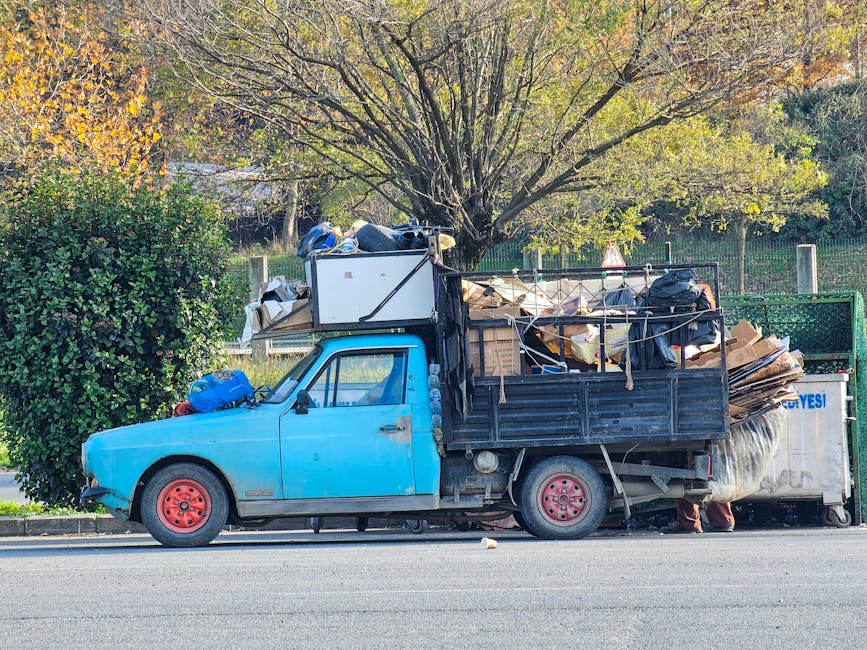
 Tipper Van - Waste Collection and Commercial Waste Removal Prices in Catford, SE6
 Luton Van - Waste Collection and Commercial Waste Removal Prices in Catford, SE6


