Waste collection for shoppers on Catford Broadway
Posted on 15/07/2026
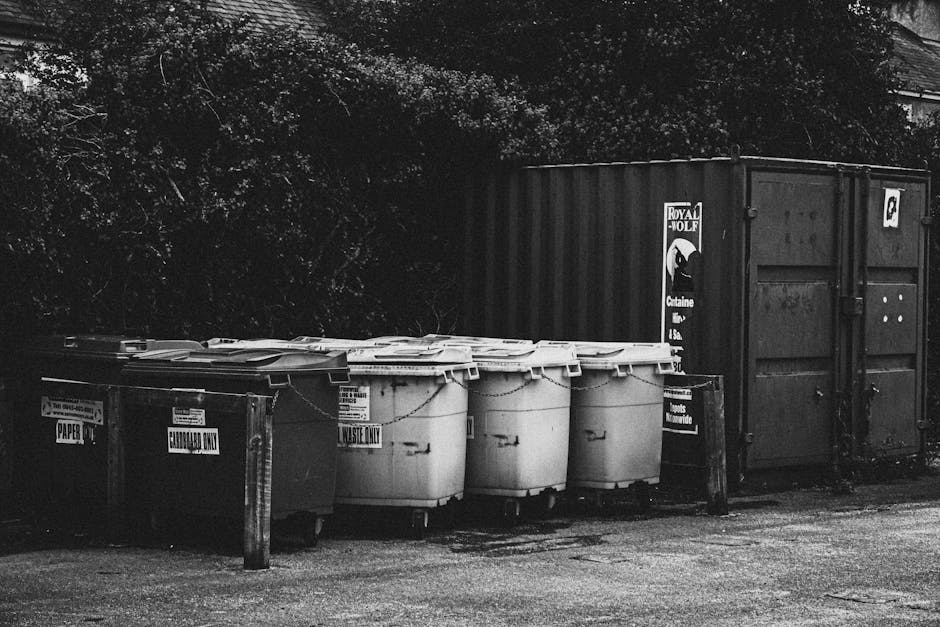
If you spend any time shopping on Catford Broadway, you already know the rhythm of the place: busy pavements, quick stops for essentials, bags piling up sooner than you expect, and the occasional awkward moment when packaging, old carrier bags, or broken-down boxes need dealing with. Waste collection for shoppers on Catford Broadway is not just about keeping the street tidy. It is about making a busy local shopping area safer, calmer, and easier to use for everyone. And to be fair, when waste is handled well, you notice it straight away - the street feels sharper, the walk feels easier, and small businesses can focus on serving people rather than dodging clutter.
This guide explains how waste collection works in a shopping environment, why it matters so much on a high-footfall street like Catford Broadway, and what shoppers, traders, and nearby residents should know. You will also find practical steps, common mistakes, a comparison of approaches, and a realistic checklist you can use straight away.
Practical takeaway: On a busy retail stretch, good waste management is not a background detail. It protects footfall, reduces mess, supports recycling, and helps everyone move around more comfortably.
Why Waste collection for shoppers on Catford Broadway Matters
Catford Broadway is not a sleepy side street. It is a working, lived-in, everyday shopping route where people stop briefly, buy what they need, and keep moving. That means waste builds up differently here compared with a quiet residential road. You get more food packaging, delivery cartons, broken retail displays, takeaway containers, damaged stock wrap, and general litter from a constant flow of people. If waste is not cleared promptly, even small issues can snowball.
For shoppers, the effect is immediate. Overflowing bins can make a place feel neglected. Loose packaging can be blown along the pavement. Spilled drinks or food waste can create slip hazards. A messy frontage can even influence how long people stay in the area. Nobody wants to browse while stepping around a pile of cardboard and a rain-soaked coffee cup, do they?
For shopkeepers, the stakes are just as practical. Mess outside the premises can affect customer impressions, stock delivery flow, and the day-to-day work of staff. In a local shopping district, the front of the store is part of the business. Waste collection is therefore not only about disposal, but about presentation, safety, and operational discipline. It is part of the shopping experience, whether people think about it or not.
There is also a wider community angle. A clean Broadway supports the feel of the area as a whole. That connects with nearby streets, local foot traffic, and the sense that Catford is well looked after. If you want a broader feel for the area itself, it can help to explore Catford community views from the inside and, for a calmer look at local life, a local's perspective on Catford's atmosphere.
How Waste collection for shoppers on Catford Broadway Works
At street level, waste collection usually happens in a few different ways depending on the type and volume of waste involved. Some waste is handled through regular commercial arrangements, some through scheduled pickups, and some through one-off clearances when there has been a busy spell, a refit, or a delivery surge. The best setup depends on the shop type, trading hours, and how much waste is generated each day.
For shoppers specifically, the "waste collection" part is mostly invisible when it is working properly. Bins are emptied on time. Cardboard is removed before it blocks pavements. General rubbish is taken away before it becomes a nuisance. In a good system, staff do not need to improvise with extra black bags tied to railings or boxes left half-folded beside a doorway. Small detail, big difference.
In practical terms, the process often follows a pattern:
- Waste is gathered and separated at the premises or collection point.
- Recyclables such as cardboard or clean packaging are kept apart where possible.
- General waste is secured so it does not blow around or leak.
- A collector arrives at an agreed time, often outside peak trading periods.
- The material is removed, loaded safely, and taken for appropriate sorting or disposal.
The timing matters more than people sometimes expect. On a busy retail street, a collection at the wrong moment can cause avoidable disruption. Early-morning or quieter-period pickups are often easier for staff and safer for pedestrians. That is especially true if trolleys, stock cages, or delivery vehicles are also moving around.
It is also worth noting that waste collection is not just about what is visible in a bin. Bulky packaging, unwanted shelving, damaged display units, and end-of-promotion waste all need handling too. For those situations, a broader service may be more suitable than a simple bin lift. You can see how this sits within a wider local service set through the services overview or the more general waste collection in Catford page.
Key Benefits and Practical Advantages
The main benefits are obvious on the surface, but there are a few subtler ones too.
- A cleaner shopping environment: Better waste handling keeps the Broadway looking cared for, which helps the whole street feel more welcoming.
- Safer walking routes: Less loose waste means fewer trip hazards and fewer awkward obstacles near shop entrances.
- Better recycling outcomes: When cardboard, packaging, and other recyclable material are separated properly, more of it can be recovered.
- Less staff stress: Teams do not have to spend time making ad hoc waste piles disappear before opening or closing.
- Improved customer experience: People are more likely to browse comfortably in a tidy, well-run street.
- More reliable business operations: Traders can keep delivery areas and frontages clear, which makes the whole day easier.
There is a commercial benefit too. Retail areas live or die on first impressions. A messy frontage can suggest poor care even when the business itself is excellent. That is slightly unfair, perhaps, but very real. On the other hand, a neat and organised frontage can quietly reinforce trust. Nobody walks in and says, "I chose this shop because the bin area is immaculate." Still, the street impression matters.
One more benefit that is often overlooked: waste collection helps reduce the pressure on nearby public bins and informal dumping spots. If one business cannot cope with waste, the problem often spills outward. The best systems keep that from happening in the first place.
Who This Is For and When It Makes Sense
This topic is relevant to a few different groups, and the reasons vary a bit.
Shopper-facing retailers need collection that keeps entrances, storefronts, and back-of-house areas clear. Clothing shops, convenience stores, cafes, and small chains all generate different waste streams, but they all need a dependable routine.
Independent traders often need flexible support because their waste volume can change quickly. A promotion, a delivery day, or seasonal stock can create a sudden pile-up. In those moments, a one-off clearance can be much more practical than waiting around for a standard bin schedule.
Market-style or mixed-use premises may need more careful sorting because packaging, food waste, and display material can all appear at once. It is not glamorous work, but it keeps the place moving.
Nearby residents benefit as well, especially when retail waste has historically spilled into side streets or doorway areas. Good waste management in a shopping zone can reduce the sense that the whole area is just one long patch of clutter.
It makes sense to arrange a stronger collection solution when:
- your bins regularly overflow before the next pickup;
- cardboard is stacking up near the entrance;
- staff are spending too much time dealing with waste;
- customers are stepping around bags or packaging;
- you have just had a refit, clearance, or delivery-heavy period;
- there is a recurring smell, hygiene issue, or pest concern;
- you need a cleaner and more presentable frontage for trading.
For related local context, some readers also find it useful to compare how waste issues show up in nearby routes such as SE6 near Catford Station and the surrounding high-footfall stretches covered in rubbish removal on Rushey Green and Mountsfield Park.
Step-by-Step Guidance
If you are trying to get waste collection under control around Catford Broadway, keep the process simple. The best systems are the ones people can actually stick to.
- Identify the main waste types. Start with the basics: general waste, cardboard, food-related waste, plastic packaging, and any bulky items.
- Estimate your volume honestly. It is easy to underestimate this. A small shop can produce more waste than you expect once packaging and daily footfall are factored in.
- Choose a suitable collection schedule. Daily, weekly, or ad hoc collection all have different strengths. Pick the one that matches your trading pattern, not just your ideal.
- Set one clear holding area. Waste should have a place. If the "place" is three different corners of the premises, problems begin.
- Flatten or consolidate packaging. Cardboard takes up far less room when broken down properly. Simple, but incredibly useful.
- Keep access routes clear. Make sure collectors can reach the waste without forcing customers to squeeze past.
- Review what keeps going wrong. If waste is still building up, look at delivery timing, storage space, or separation habits.
- Improve the system gradually. Often, a couple of small changes solve the problem better than a big overhaul.
A realistic example: a cafe gets hit by a weekend rush and Monday delivery cartons pile up by noon. Staff try to keep up, but the back area fills quickly. Instead of waiting until the end of the week, the manager adjusts collection timing and sets a dedicated cardboard area. Suddenly, the whole space feels less cramped. Nothing dramatic. Just easier.
That is usually how good waste management works in practice. Not as a grand transformation, but as a series of small, sensible fixes.
Expert Tips for Better Results
After dealing with retail and mixed-use waste situations, a few patterns stand out again and again.
Separate at source where possible. If cardboard, food waste, and general rubbish are all thrown into one place, sorting becomes slower and messier. Even simple separation helps.
Use the narrowest possible waste route. This sounds oddly specific, but it matters. The fewer times bags cross customer walkways, the better. Less chance of slips, less chance of complaints.
Do not wait for the last minute. A collection arranged too late often means temporary piles appear by the entrance. That is rarely a good look on a shopping street.
Match collections to trading peaks. If your heaviest waste days are Friday and Saturday, a schedule that ignores that will not feel right for long.
Keep an eye on bulky items after promotions or seasonal changes. Temporary displays, signage, and packaging can create a surprisingly large one-off load.
Train staff on the basics. Nothing fancy. Just a clear routine: where waste goes, what gets separated, and who checks the holding area before opening or closing.
Review access in poor weather. Rain changes everything. Wet cardboard, slippery edges, and muddy delivery routes can turn a small waste issue into a nuisance fast.
If your shop is near other local commercial or mixed-use activity, it can help to learn how similar areas handle operational waste. The page on office clearance in Catford may seem like a different topic, but the underlying lesson is the same: when space is tight, organised removal matters more than people realise.
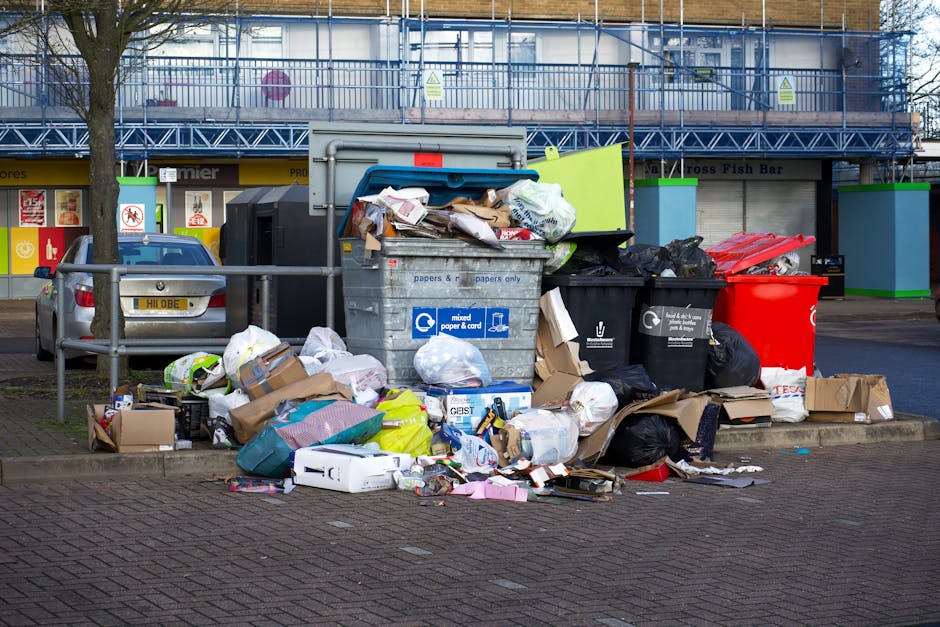
Common Mistakes to Avoid
A lot of waste problems on busy shopping streets come from a handful of avoidable habits. Nothing exotic. Just small things that add up.
- Leaving waste outside too early. This creates visual clutter and can attract seagulls, rain damage, or general mess.
- Using the wrong container size. If your waste storage is too small, overflow is almost guaranteed.
- Ignoring cardboard build-up. Cardboard seems harmless until it is leaning against a wall, damp, and in the way.
- Not separating recyclables. This can make the process slower and reduce recycling efficiency.
- Forgetting about peak days. A collection plan that works on a quiet Tuesday may fail on a busy Saturday.
- Blocking pedestrian access. Even a short-term obstruction can frustrate shoppers and create safety concerns.
- Failing to review the routine. A waste system should evolve with trading patterns. Set and forget is usually not enough.
One slightly human truth here: many waste issues are not caused by "bad management" in some dramatic sense. They are caused by someone having a hectic morning, a delivery arriving late, and a box pile turning into a small mountain. Happens all the time. The fix is usually a better routine, not blame.
Tools, Resources and Recommendations
You do not need a complicated setup to manage waste well, but a few practical tools make the job far easier.
- Strong labelled bins or containers: Clear labels reduce confusion and help staff put waste in the right place quickly.
- Cardboard cutters or flattening tools: These make bulky packaging easier to store neatly.
- Reusable straps or ties: Helpful for securing bundled cardboard or keeping bags closed safely.
- Bin liners suited to the waste type: Thin liners split too easily and create avoidable mess.
- Simple checklist sheets for staff: A handwritten routine often works better than overcomplicated processes.
- Scheduled collection notes: Keep collection days, expected volumes, and special instructions together in one place.
On the website side, it can also help to understand the provider's approach to service quality and site safety. Two pages worth checking are insurance and safety and payment and security, especially if you are comparing practical arrangements for regular collection work.
If sustainability matters to your business - and it should, even in a small but concrete way - the recycling and sustainability page is also a useful reference point for how waste can be handled with less unnecessary loss.
Law, Compliance, Standards, or Best Practice
Waste collection in a shopping environment is not just a tidiness issue. In the UK, businesses are generally expected to handle waste responsibly and keep it from causing nuisance, obstruction, or avoidable contamination. The exact obligations can vary depending on the type of premises and the kind of waste produced, so it is wise to treat this as an area where best practice matters as much as day-to-day common sense.
At a practical level, that means:
- keeping waste contained so it does not escape into the street;
- separating recyclable material where feasible;
- avoiding unsafe stacking or blocking of access routes;
- using suitable collection arrangements for bulky or awkward items;
- making sure waste handling does not create hygiene or pest problems;
- choosing a provider that can explain how waste is taken away and processed.
Best practice also includes transparency. If you are hiring support, you want to know what happens to collected material, how access is managed, and whether the service is suited to your site. If you are a trader or site manager, do not be shy about asking those questions. A sensible provider will expect them.
For a fuller picture of the company's public commitments and operating approach, it is also reasonable to review the about us page and the terms and conditions before arranging anything ongoing. That is not overcautious. It is just sensible.
Options, Methods, or Comparison Table
There is more than one way to manage waste around a busy shopping street. The right option depends on volume, timing, and how much flexibility you need.
| Method | Best for | Strengths | Limitations |
|---|---|---|---|
| Scheduled regular collection | Shops with predictable daily or weekly waste | Reliable, routine, easy to plan around | Less flexible during busy periods or seasonal spikes |
| One-off clearance | Refits, stock changes, bulky packaging, sudden surplus | Fast reset, helpful for short-term problems | Not ideal for ongoing waste production |
| Split recycling and general waste | Businesses with mixed materials | More efficient sorting, better recycling potential | Needs staff discipline and clear labelling |
| Ad hoc collection support | Traders with irregular waste volume | Flexible, responsive to changing needs | Can be less predictable if used too often |
If you are unsure which approach suits your setup, start with the pattern you already have. How quickly does waste build up? What kind? When does it cause friction? Those answers usually point to the right method faster than any fancy spreadsheet ever will.
Case Study or Real-World Example
Imagine a small shop on or near Catford Broadway that sells household essentials and seasonal items. During normal weeks, waste is manageable enough. But then a promotion lands, a delivery arrives late, and a run of cardboard boxes begins to stack near the back entrance. Staff try to flatten them, but the pile keeps growing. By mid-afternoon, the area feels cramped and the doorway is harder to use. Not ideal.
The fix is not dramatic. The manager reviews the waste pattern, separates the cardboard earlier in the day, and arranges a more suitable collection rhythm. A clear holding area is created, and bulky packaging is kept away from customer-facing space. A few days later, the difference is obvious. Staff move more easily. The frontage looks calmer. Customers are not squeezing past bags. And, perhaps most importantly, nobody has to mutter "we'll sort that later" for the fifth time before lunch.
That kind of improvement is typical. Good waste management usually works quietly in the background. It removes friction rather than announcing itself. In a place like Catford Broadway, that quiet efficiency is exactly the point.
Practical Checklist
Use this quick checklist if you are reviewing waste collection arrangements around a shopping location:
- Have you identified the main waste types your site produces?
- Is cardboard flattened and stored neatly?
- Do bins or storage areas fit the real volume you generate?
- Can collectors reach the waste without blocking shoppers?
- Are waste items kept away from entrances and pedestrian pinch points?
- Do staff know who checks the area before opening or closing?
- Is recyclable material separated where practical?
- Are collection times matched to trading patterns?
- Have you reviewed bulky waste needs after promotions or deliveries?
- Do you know which issues keep recurring, week after week?
Quick note: if you can answer "no" to two or three of those, there is probably room for a cleaner, simpler setup. No drama. Just a bit of sorting out.
Conclusion
Waste collection for shoppers on Catford Broadway is really about keeping the street usable, welcoming, and commercially healthy. When waste is managed properly, the benefits spread further than one shop or one bin. You get better movement, less clutter, improved presentation, and a shopping environment that feels cared for rather than improvised.
The best approach is rarely the fanciest one. It is the one that fits the flow of the street, the trading pattern of the premises, and the practical reality of daily life. If you are handling waste around Catford Broadway, start with the basics, keep it consistent, and build from there. Simple routines usually win.
For broader local reading and business context, you may also want to explore the company's pricing and quotes page or browse how local services fit into everyday Catford life through great party locations in Catford - slightly different subject, yes, but it gives you a feel for the area's pace and use.
Get a free quote today and see how much you can save.
And if you keep the street tidy while the day stays busy, that is a win worth having. Simple as that.

 Tipper Van - Waste Collection and Commercial Waste Removal Prices in Catford, SE6
 Luton Van - Waste Collection and Commercial Waste Removal Prices in Catford, SE6


